.svg)
Traffic signal covers must be fully opaque, secured against wind, and installed only with highway authority approval, those are the three rules that catch most contractors out. This guide sets out exactly what TSRGD 2016, the Safety at Street Works Code of Practice and the ARTSM national guidance require when blanking off signals. IRSS UK co-authored that ARTSM guidance on bagging off, so this is the position from the people who helped write it.
The Core Rules for Covering Traffic Signals
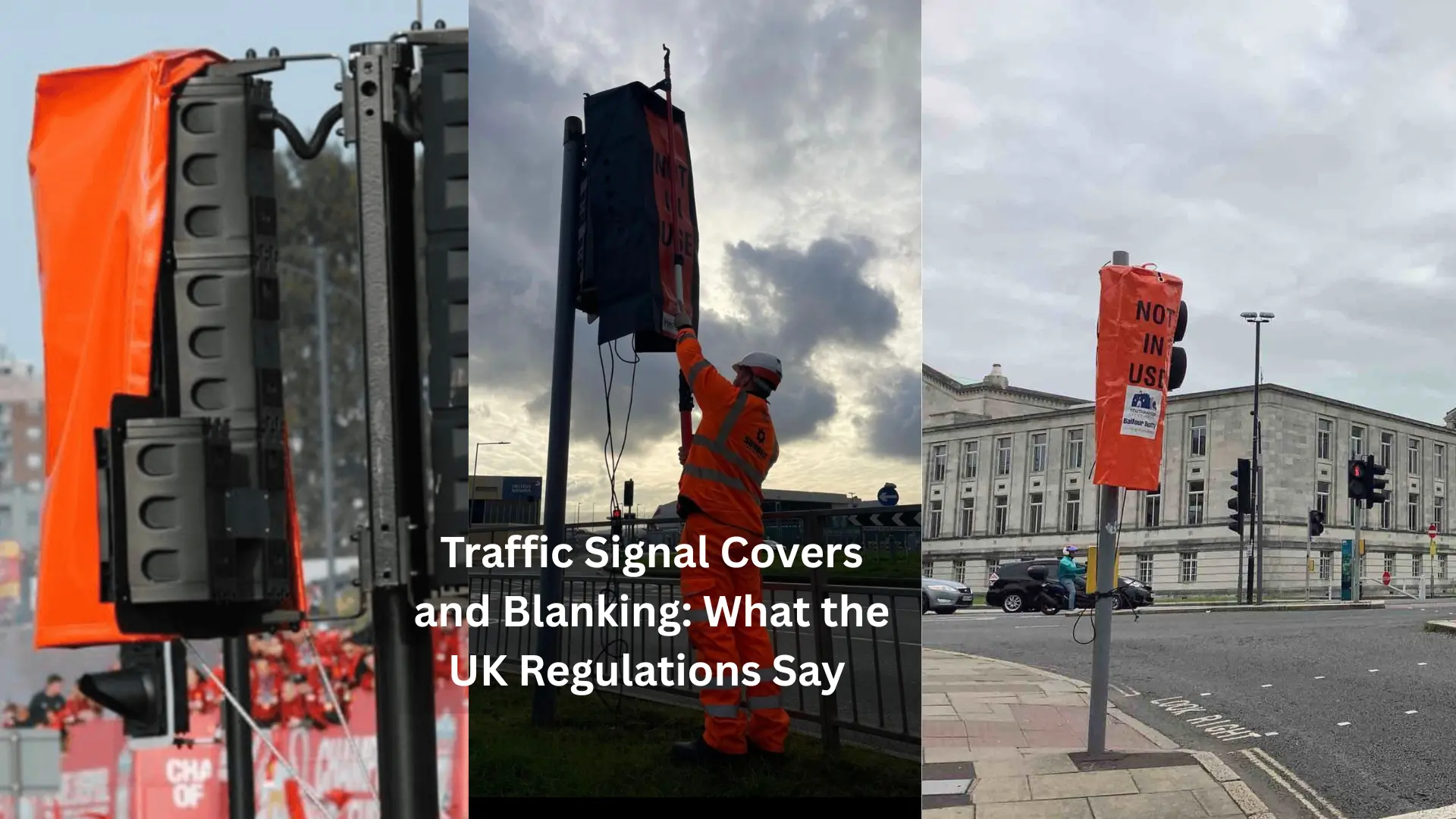
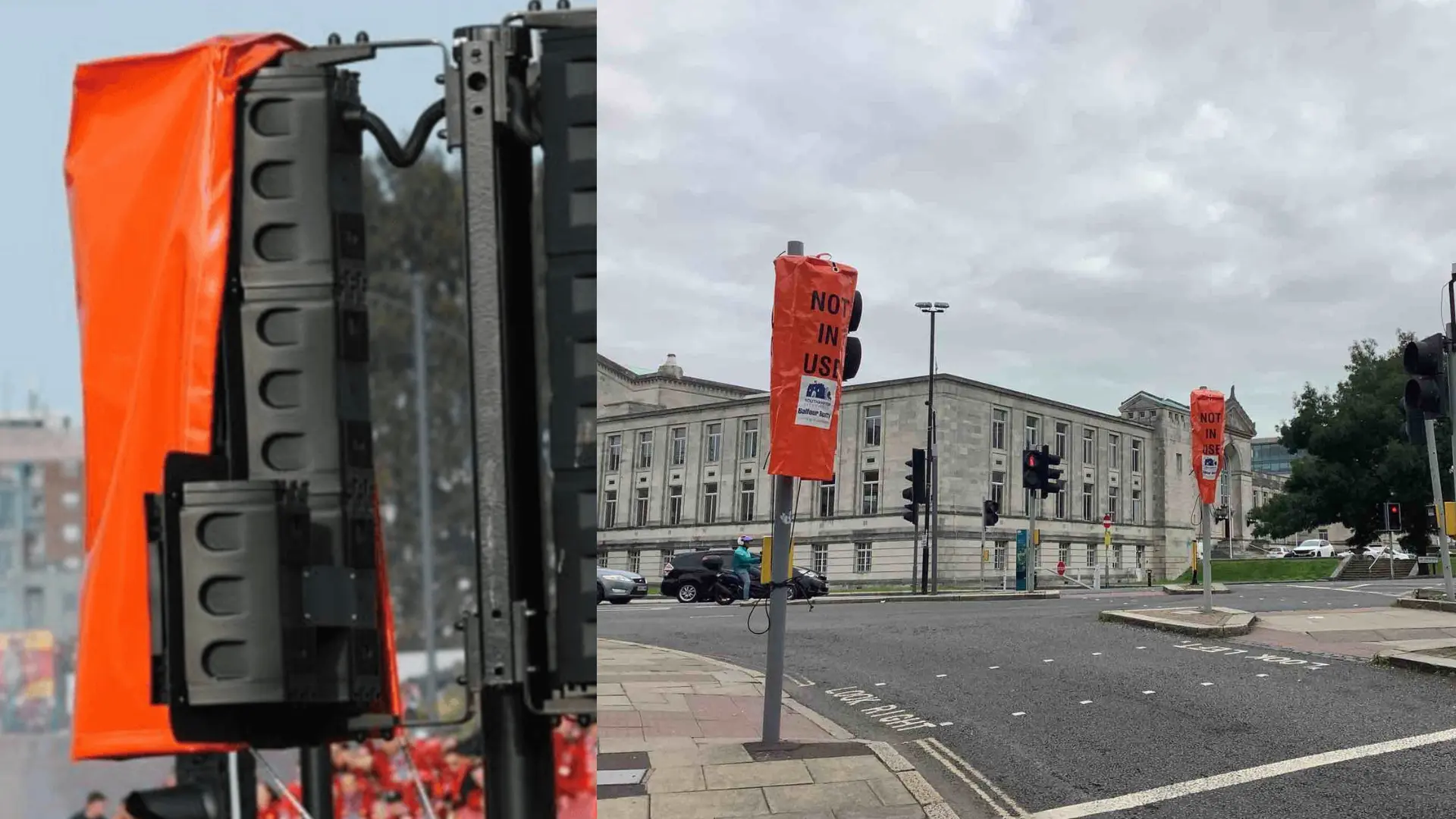
When permanent traffic signals are taken out of use, they must be covered or switched off so drivers cannot mistake them for live signals. The cover must be fully opaque. No residual light may be visible through it, day or night. Covers must be secured so wind cannot dislodge or partially lift them. A partially visible signal is more dangerous than an uncovered one, because drivers may act on it.
Switching off or covering permanent signals requires the approval of the highway authority. This is not optional. Where portable signals replace permanent ones during works, the Safety at Street Works Code of Practice states the permanent signalling should be covered for the duration. "Signals not in use" signage must be deployed where prescribed, and the site must be monitored so a failed or displaced cover is corrected quickly.
The Regulations Behind Signal Bagging Off
What governs the covering and bagging off of traffic signals in the UK? Several key pieces of legislation, codes and guidance come together when permanent traffic signals need to be covered or blanked during temporary traffic management.The Traffic Signs Regulations and General Directions 2016 (TSRGD) prescribe the design and conditions of use of traffic signs, including traffic signals.
This provides the legal framework around how signals may be displayed. (GOV.UK) The Safety at Street Works and Road Works Code of Practice (the “Red Book”) provides practical requirements for the safe signing, lighting and guarding of street and road works, including the management of traffic signals where temporary arrangements are introduced. (GOV.UK) Traffic Signs Manual Chapter 8 provides guidance on the design and operation of temporary traffic management arrangements around road works. (GOV.UK) This is why covering a permanent signal isn’t simply about putting something over the signal head.
The cover needs to prevent the underlying signal aspect from being visible to road users.For IRSS, that’s where effective, purpose-designed signal covers matter.When a permanent signal is no longer controlling traffic, it needs to be effectively removed from the driver’s field of view not merely obscured.Because when it comes to traffic signals, “almost covered” isn’t the same as covered.
The final one is the ARTSM Guidance on Bagging and Switch Off of Signals, the national best practice document co-authored by IRSS UK. It consolidates the authorisation, method and monitoring requirements into a single process contractors can follow.
One more piece of law applies before anyone touches a signal head: the Work at Height Regulations 2005. Its hierarchy is explicit, avoid work at height where reasonably practicable before anything else. Ladders sit at the bottom of the equipment preference order, and HSE guidance limits ladder use to low-risk tasks of short duration.
How Bagging Off Works in Practice
For thirty years, bagging off meant an operative on a ladder in a live carriageway, fitting a sack over each signal head. Every head meant another climb, often in traffic, often in wind. That method now sits uncomfortably with the Work at Height Regulations, because a ground-level alternative exists, meaning work at height is no longer unavoidable.
The CoverMe system was developed by Peter Hoban, a traffic signals engineer, to remove the ladder entirely. Covers are installed and removed from the ground using a pole system. As Peter puts it: "Once a ground-level method exists, sending someone up a ladder next to live traffic stops being defensible. The regulations already said avoid height where you can, now you can."
A compliant covering operation looks like this: written highway authority approval first, opaque covers secured against wind, ground-level installation where practicable, "signals not in use" signs deployed, an inspection schedule for the duration of the works, and photographs plus a log kept for the authority. Our interactive checklist below scores your site against each of these requirements.
Common Questions
Why are traffic lights covered with bags?
Signals are covered when they are out of use, during commissioning of new installations, maintenance, or roadworks where portable signals take over. The cover tells drivers the signal is not operating and prevents them acting on a dead or misleading light.
Do you need permission to cover or switch off traffic signals?
Yes. Permanent traffic signals may only be switched off or covered with the approval of the highway authority. Most authorities require a formal application and notice period before works begin.
What are the rules for covering traffic signals in the UK?
Covers must be fully opaque with no residual light visible, secured against wind, and installed under highway authority approval. The Safety at Street Works Code of Practice, TSRGD 2016 and the ARTSM bagging-off guidance set the requirements, and the Work at Height Regulations 2005 govern how the covers are installed.
Can traffic signal covers be fitted without a ladder?
Yes. Pole-operated systems such as CoverMe install and remove signal covers entirely from ground level, which satisfies the Work at Height Regulations' first requirement: avoid work at height where reasonably practicable.
Why Getting Blanking Right Matters
Falls from height killed 35 workers in Great Britain in 2024/25, a quarter of all workplace fatalities, and the single biggest cause. Every ladder climb eliminated is exposure removed. Beyond the safety case, a badly covered signal creates liability: a driver who obeys a partially visible red, or ignores a live signal they assumed was dead, puts the works promoter and contractor in the frame. Authorisation records, secure opaque covers and an inspection log are what stand between a routine works and a costly investigation.
Get It Covered Properly
Signal blanking is a regulated operation: authority approval, opaque secured covers, ladder-free installation where practicable, correct signage and records. Run your next scheme through the compliance checklist above, and if you want to remove working at height from bagging off altogether, see the CoverMe traffic light covers or contact IRSS UK to talk through your scheme.